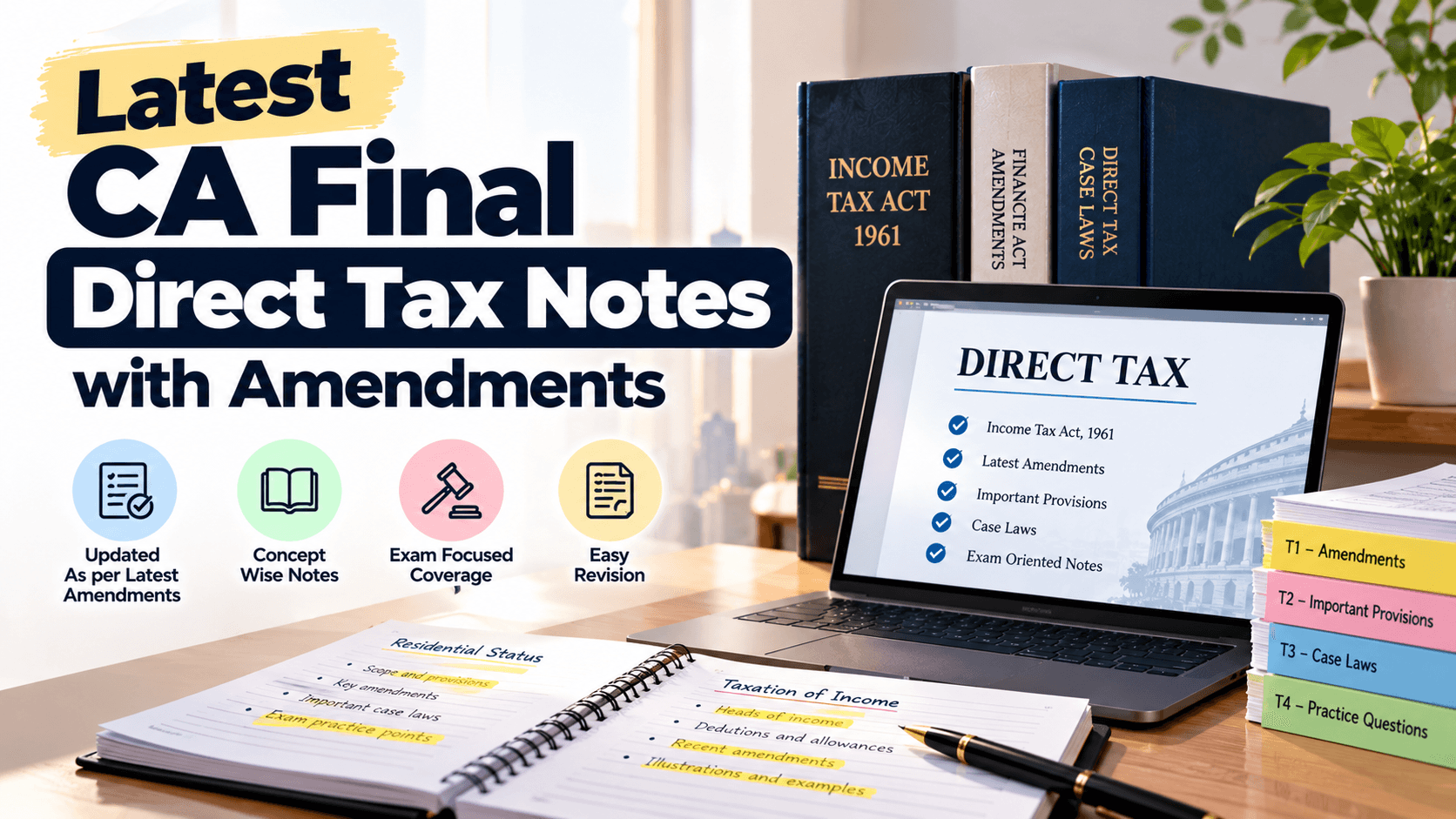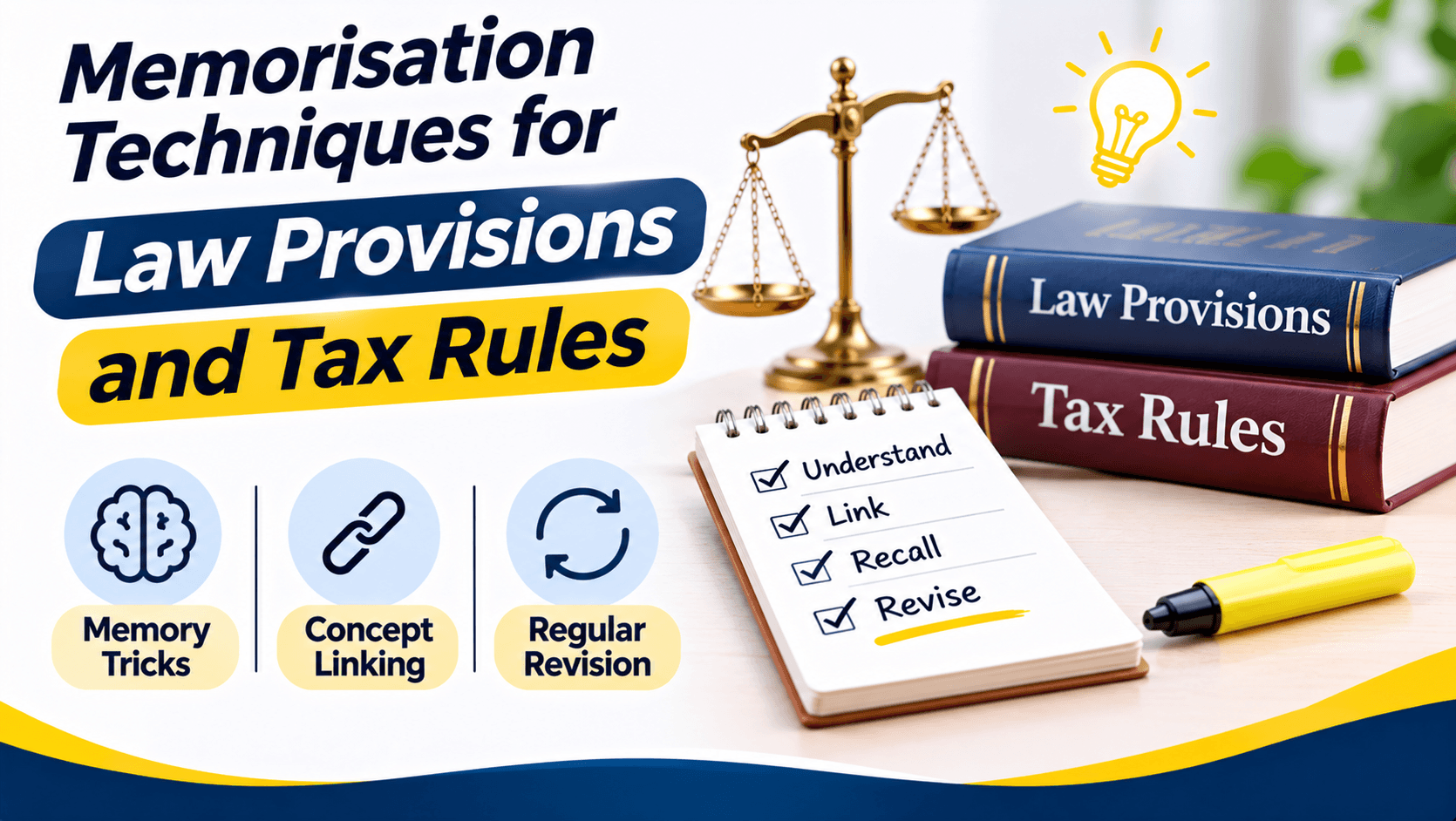
Remembering law provisions and tax rules can be challenging because students need to retain technical details, conditions, exceptions and how different rules apply. Repeated reading may create familiarity, but familiarity does not always mean accurate recall.
A better approach combines understanding with active memory practice. Group related provisions, use concise cues, revise at planned intervals and apply rules through questions.
Understand the Requirements and Build a Clear Starting Point
Identify the purpose of a provision, who it applies to, its conditions and its consequence. When the logic is clear, details become easier to organise and retrieve. Study an explanation and work through an example before trying to memorise wording.
Assess Your Current Preparation Honestly
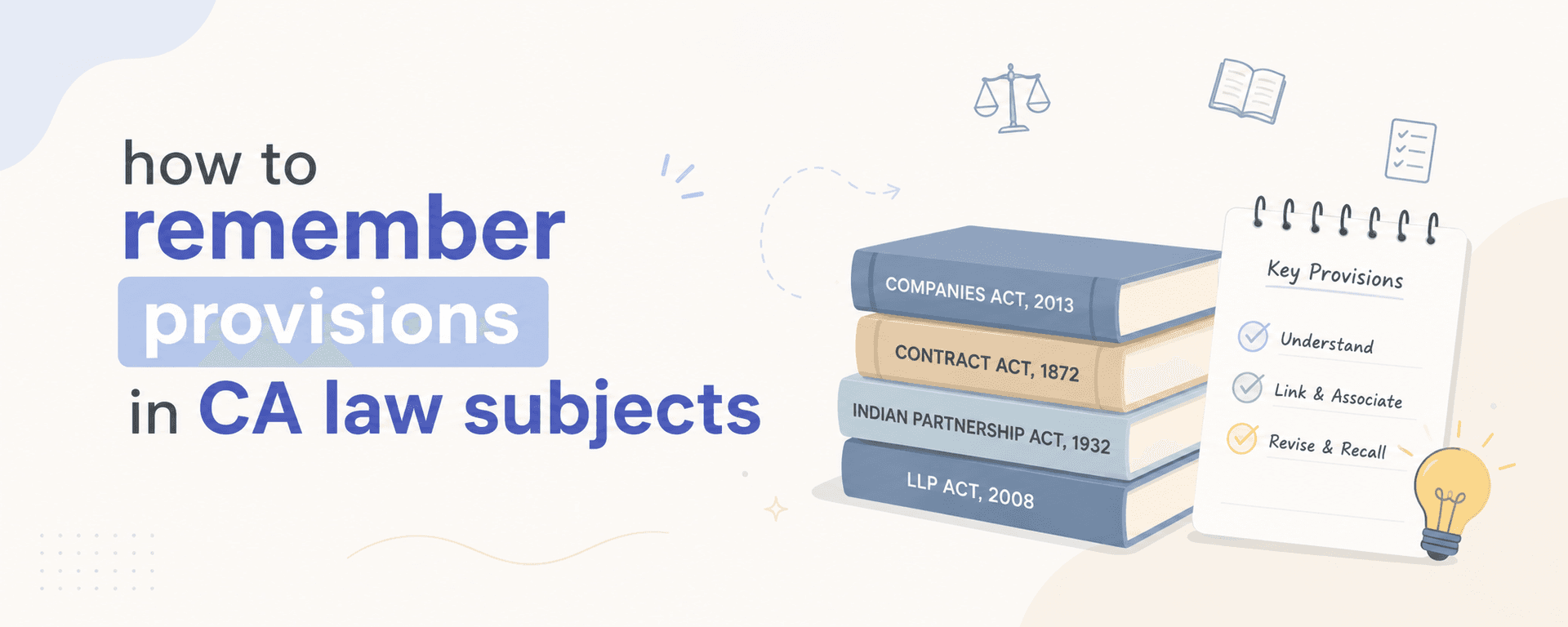
Long provisions may contain a basic rule, conditions, exceptions, time limits and consequences. Divide the material into these parts and learn their relationship. Use labels such as Scope, Conditions, Time Limit, Exception and Effect as memory prompts.
Break the Work Into Manageable Tasks
Organise provisions and tax rules by topic, purpose or application. Compare rules that are often confused and note the distinguishing condition, threshold, time period or treatment. Do not merge separate rules merely because they sound alike.
Choose the Right Method for Each Study Session
After studying a provision, close the book and write its main elements from memory. Compare your response with the source and correct missing or inaccurate points. Ask who is covered, what conditions apply and what consequence follows.
Use Active Practice to Check Understanding
Revisit provisions at planned intervals rather than leaving all revision until the final week. Review on the day of study, after a short gap, later in the week and during monthly revision. Topics easily confused may need more frequent checks.
Create a Realistic Weekly Routine
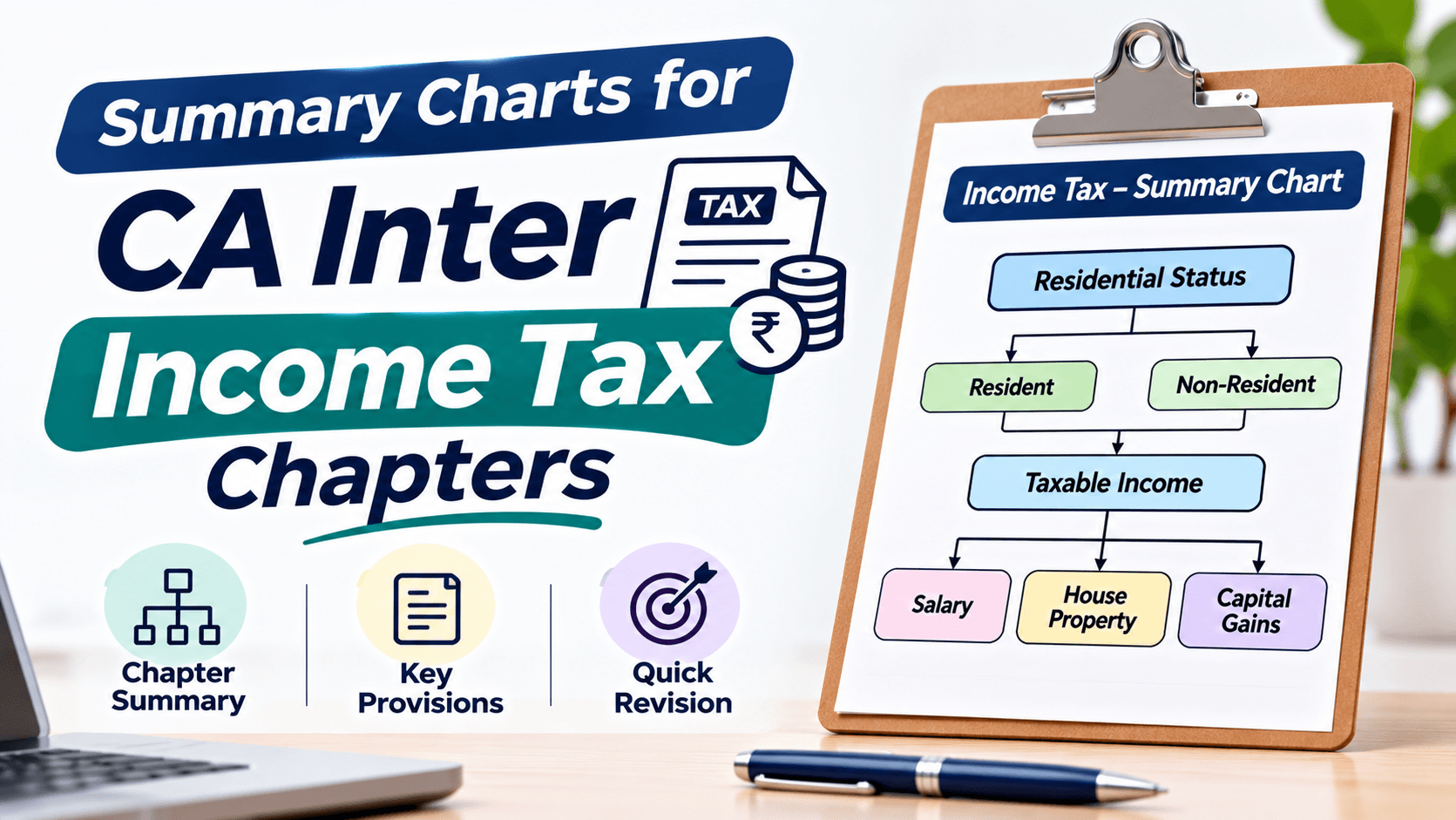
Acronyms, keywords, flowcharts and short cues can help remember lists and sequences. Keep each cue simple and connect every part to the correct point. Do not let a mnemonic replace understanding or cause you to mix up provisions.
Review Mistakes and Identify Repeated Gaps
Tax rules become easier to retain when you understand how they operate in a transaction or calculation. Solve a basic illustration and identify which facts trigger the rule. Then try a variation where one condition changes.
Track Progress With Simple Measures
Practise short explanations using accurate technical terms and a clear structure. For a case-based question, identify relevant facts, state the applicable rule and explain its application. Follow your syllabus and use exact wording where necessary.
Adjust the Plan as the Examination Approaches
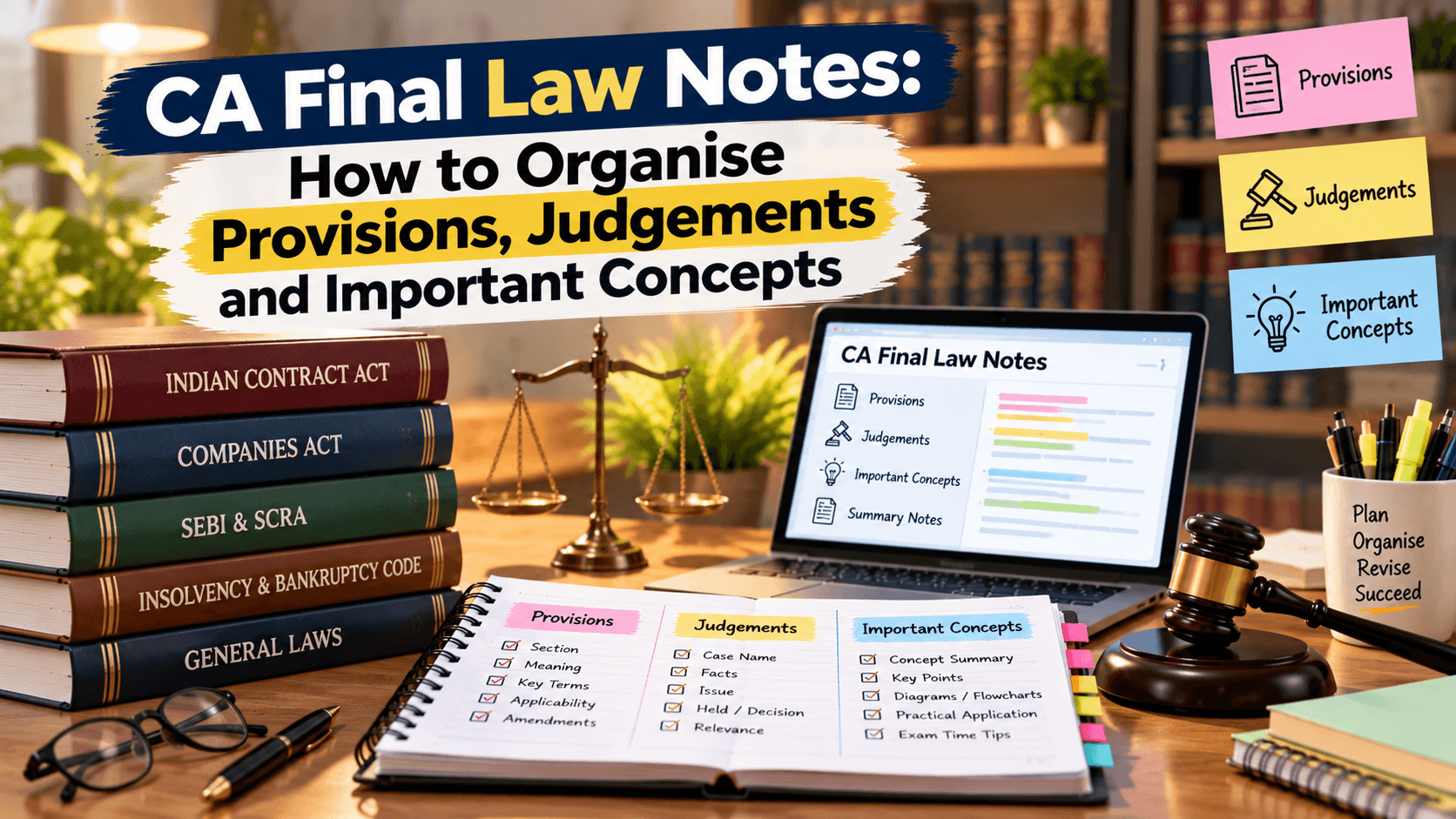
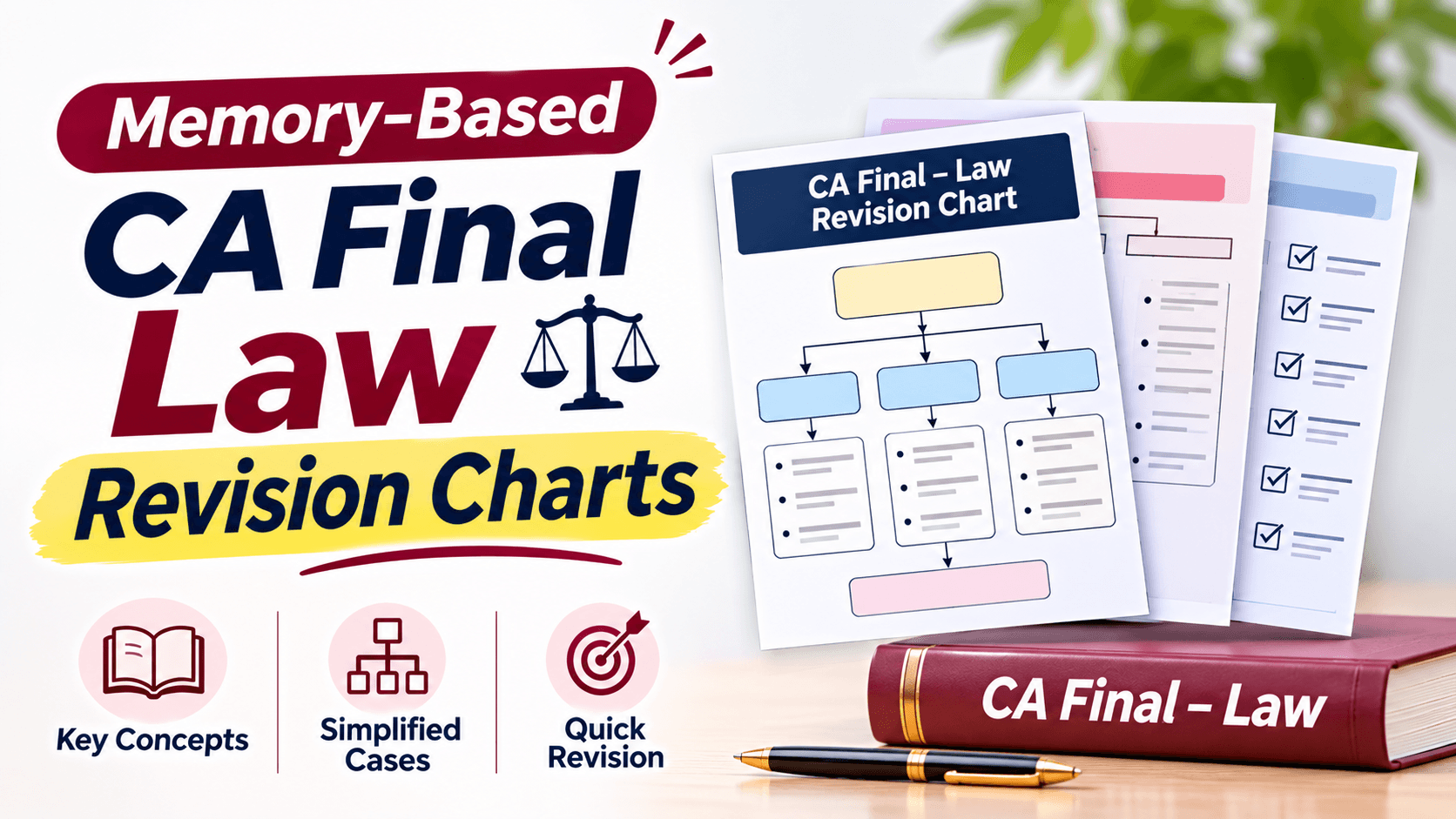
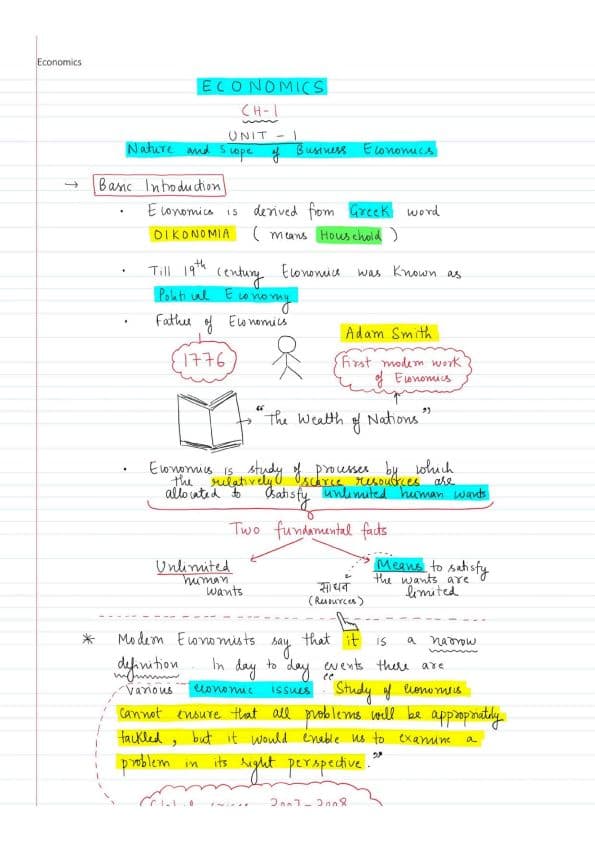
Create concise sheets for difficult provisions, frequently confused rules, important conditions and exceptions. Include only points that help recall, and add a small example or comparison where it clarifies application. Return to full material when context is needed.
Common Mistakes to Avoid
After revising several provisions, attempt mixed questions without chapter labels. This checks whether you can identify which rule applies instead of relying on the heading as a clue. Review incorrect answers and identify the distinction you missed.
How Studycaller Can Support Your Preparation
Avoid memorising technical lines without understanding, using too many mnemonics or revising only easy topics. Highlighting a provision does not prove you can recall it. Test yourself without looking and use material applicable to your examination attempt.
Conclusion
Studycaller can be included as a supporting resource in a law and tax revision routine. Use relevant material to understand provisions, attempt application-based questions and identify topics needing another review. Combine it with the current syllabus and official material.