PDF · Marks Weightage
BRS CA Foundation Notes: Bank Reconciliation Statement for Accounts
- Shared by
- Mahi❤️
- Course
- CA Foundation
- Subject
- Accounting
- Added
- 23 May 2024
Part of: CA FoundationAccountsMarks Weightage
Most read on this topic: Hardik Manchanda notes of ca foundation of account
3 more notes on this topic ↓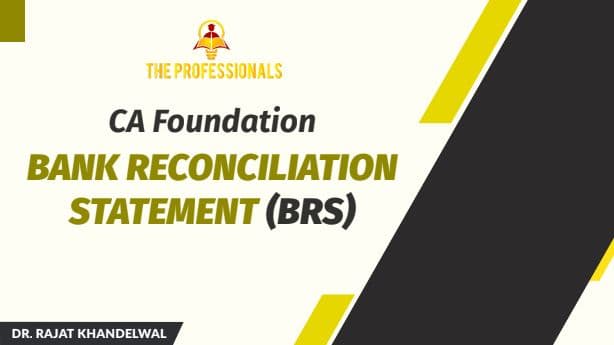
Continue reading in the Studycaller app
The full PDF — free to read, save and share in the app.
These BRS CA Foundation notes cover the Bank Reconciliation Statement chapter of Accounting in a clear, slide-style format across 69 pages. The opening pages build the base students need before preparing any BRS. They explain what a bank pass book or bank statement is: a copy of the customer's account in the bank's books, supplied periodically, when a ledger page is completed, or on demand. They show the proforma of a pass book with date, particulars, withdrawals, deposits and balance columns. They then explain how the same deposit or withdrawal is recorded in opposite ways in the customer's cash book and in the bank's books. That opposite recording is the root of every BRS question. The notes suit CA Foundation students who want short BRS notes for first study, quick revision and practice before the Accounting paper.
What these BRS notes cover in detail
The notes start with the meaning of a bank pass book, also called a bank statement, and make the key point that it is only a copy of the customer's account kept in the bank's books. They note that the bank sends it periodically, for example fortnightly or monthly, when a ledger page is completed (where a duplicate ledger sheet is sent), or on demand. Next comes the proforma of a bank pass book, with columns for date, particulars, withdrawals on the debit side, deposits on the credit side, and a running balance marked Dr. or Cr. The notes then explain how banking transactions are recorded. When money is deposited, the customer debits the Bank Account because the bank receives it, while the bank credits the customer's account because the customer gives it. For withdrawals the entries reverse: the customer credits the Bank Account and the bank debits the customer's account. The remaining pages of the 69-page PDF continue the BRS chapter. Open the full note to see how it is laid out.
Key points to remember for the CA Foundation exam
The most important idea in these pages is that the cash book and the pass book are mirror images. A debit balance in the cash book (money in the bank) normally appears as a credit balance in the pass book, and the reverse holds for an overdraft. Remember the giver-receiver logic shown in the notes. On a deposit the bank is the receiver, so the customer debits the Bank Account. On a withdrawal the bank is the giver, so the customer credits it. In the bank's own books the customer's account is treated the other way round. Be clear on the pass book proforma: withdrawals sit in the debit column, deposits in the credit column, and the balance is labelled Dr. or Cr. Many students lose marks in BRS questions by confusing which side a balance falls on, or by adding an item when it should be deducted. Getting these basics right from the opening pages makes every later adjustment easier to reason out under exam time pressure.
How to revise with these BRS practice notes
Use these notes as a quick first pass through the chapter, then move to practice. Read the meaning and proforma pages once. Then write out from memory the debit and credit treatment of deposits and withdrawals in both the cash book and the pass book until you can do it without looking. After that, work through the BRS illustrations in the ICAI study material for CA Foundation Accounting. Use these notes beside it to check the logic of each entry rather than memorising answers. Before the exam, attempt BRS questions from RTPs, MTPs and past papers within a fixed time. Note down each mistake against the concept it relates to, for example a wrong side of the balance or a wrong treatment of an item. Because the notes are brief and visual, they work well for a last-day recap of the chapter, while longer practice is better done from the study material and question papers.
Who should use these BRS CA Foundation notes
These notes are written for CA Foundation students preparing the Accounting paper, where Bank Reconciliation Statement is a regular, scoring chapter. They suit students starting the chapter for the first time, because they begin from the basic meaning of a pass book rather than assuming prior knowledge. Students who studied BRS earlier and now want short notes for revision will also find them useful. Commerce students in Class 11 or at the B.Com level who study bank reconciliation in their financial accounting syllabus can use the opening concepts too, since the pass book meaning and recording rules are the same. If you find BRS confusing because the bank's entries look opposite to yours, the giver-receiver explanation in these pages addresses exactly that. Check the current syllabus and study material for your attempt alongside these notes, as they are a study aid and not a replacement for the official material.
Key topics in these notes
- Bank reconciliation statement (BRS)
- Meaning of bank pass book
- Bank statement as copy of customer's account
- Periodic supply of bank statement
- Proforma of bank pass book
- Withdrawals and deposits columns
- Dr. or Cr. balance in pass book
- Recording of deposits
- Recording of withdrawals
- Giver and receiver rule in bank entries
Explore more Accounting notes
Related notes
- Bank Reconciliation Statement practice questions
- Accounts - All chapters PYQs MTPs RTPs at one place (Chapterwise) (BY- CA Darshan Jain Sir) Best for practice.
- Bank reconciliation statement
- Fastrack revision book for accounts
- Accounting all subjects covered with notes.
- ICAI CERTIFIED ACCOUNTS ANSWER SHEET TOPPERS COPY SEPT 25
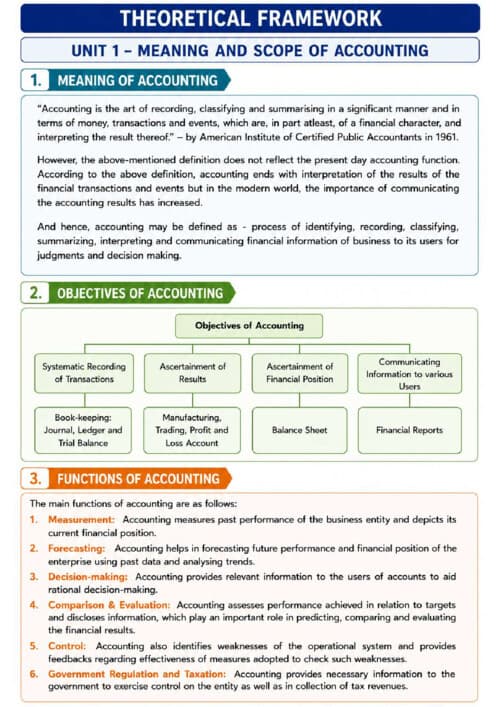
- Unit 1 Meaning and Scope of Accounting
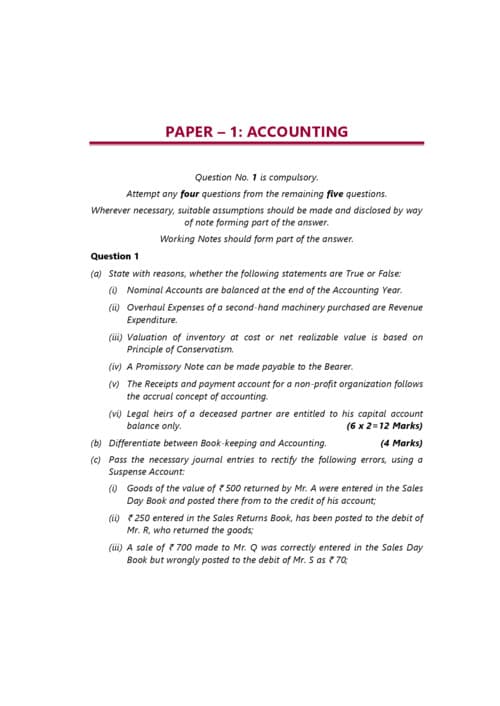
- ACCOUNTS ( SEP 2026 ) Question Paper ! If anybody wants PW, Vishwas Ca and Parag Sir Classes DM ✅
More notes on this topic (3)
- Hardik Manchanda notes of ca foundation of accountMost read9,021 views
- BRS notes hardik manchanda Accounts handwritten7,809 views
- Company Accounts Hand written notes (01) By HARDIK MANCHANDA SIR RELEVANT FOR MAY ATTEMPT AND ONWARDS ●KISI KO PW KE LEC FREE OF COST CHAHIYE ?? ☆DM ME ON TG - @DpandeyRrrrr4,447 views
Comments from students
Priyanshu Dixit · 14 Jun 2024
Plz provide solutions also
Arpita · 10 Jun 2024
Inke solutions bhe de dete help hote
What to study next
Frequently asked questions
Are these BRS CA Foundation notes useful for the Accounting paper?
Yes, they cover the Bank Reconciliation Statement chapter of CA Foundation Accounting, starting from the meaning of a bank pass book and how banking transactions are recorded.
What is a bank pass book according to these BRS notes?
A bank pass book, also called a bank statement, is a copy of the customer's account in the books of the bank, supplied periodically, when a ledger page is completed, or on demand.
How are deposits recorded in the cash book and the pass book?
On a deposit the customer debits the Bank Account because the bank is the receiver, while the bank credits the customer's account because the customer is the giver.
How are withdrawals recorded in BRS?
On a withdrawal the customer credits the Bank Account because the bank is the giver, and the bank debits the customer's account because the customer is the receiver.
What columns does a bank pass book proforma have?
The proforma shown in the notes has date, particulars, withdrawals (debit), deposits (credit), and a balance marked Dr. or Cr.
How many pages are these BRS notes?
The full note runs to 69 pages, and the first few pages can be previewed on this page.
How can I get the full BRS notes PDF?
Open it free in the Studycaller app.